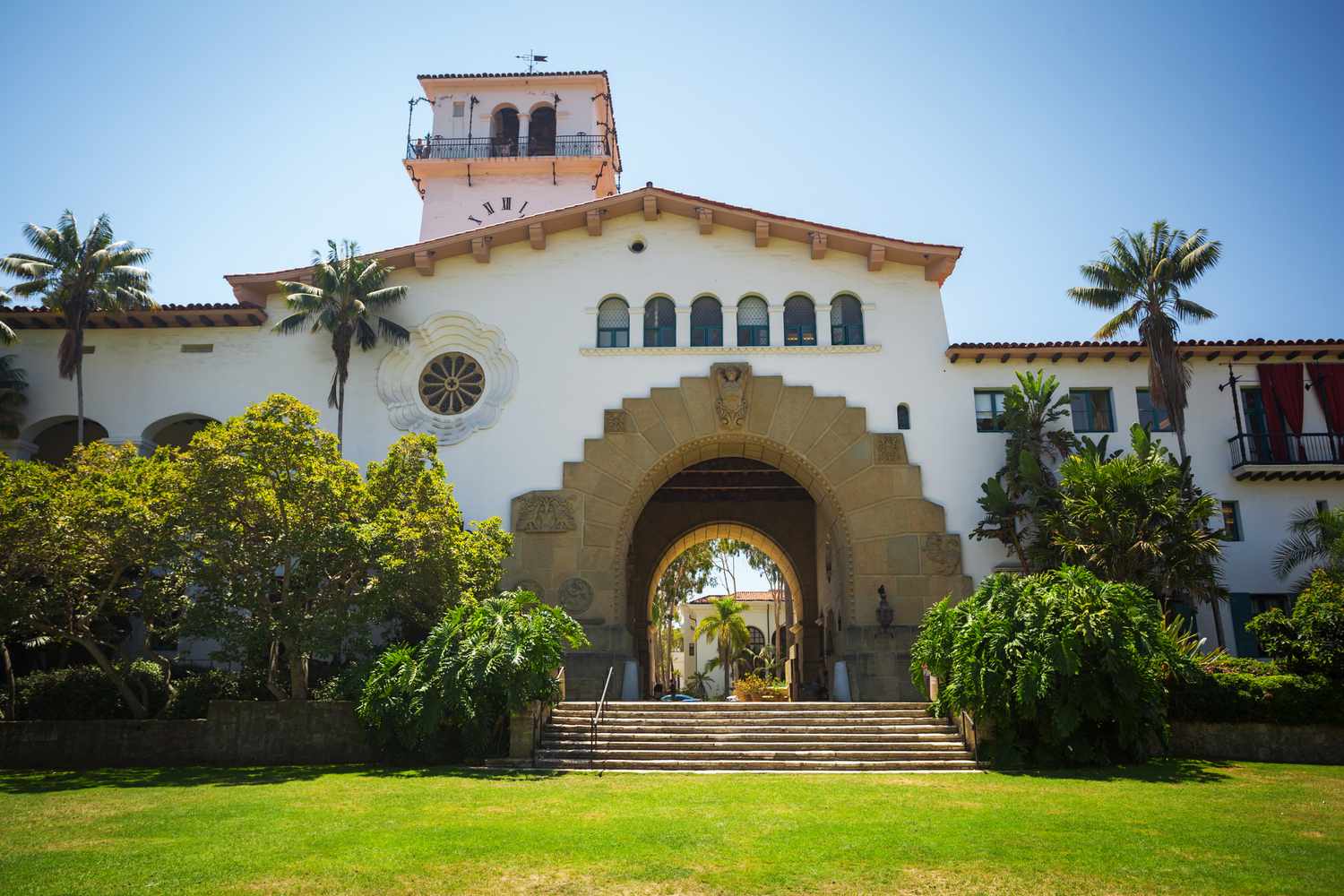
Best-known for their white stucco walls, red clay roof tiles, and use of heavy, rustic wood accents, hacienda-style homes have been extremely popular across the southwestern United States—as well as California and Florida—for decades.
Sharing many characteristics with Spanish Colonial architecture, Spanish architecture, and Spanish Colonial Revival architecture, hacienda architecture has a long history in countries like Spain and Mexico but made its way to the United States between the 1600s and the mid-1800s.
Although hacienda-style homes have been popular in the United States for nearly four hundred years, today’s hacienda architecture has retained many of the original elements. Read on to learn more about hacienda architecture, including its history and must-have architectural elements.
The History of Hacienda Architecture
Hacienda architecture is original to Spain and Mexico, where it’s considered a traditional architectural style with traditional building techniques. Dating back nearly four hundred years, hacienda-style homes have a long history in the United States, too. Between the 1600s and mid-1800s, Spanish settlers built their hacienda homesteads in states like California, Arizona, New Mexico, and Florida, because they shared warmer, drier climates similar to their homelands.
Because Spanish settlers chose areas with climates similar to Spain and Mexico, they were able to execute their traditional styles of homebuilding—with many resources that were available in Spain, Mexico, and warmer climates in the United States. Some common resources included adobe, made from straw and clay (finished with white stucco), and red clay for the iconic hacienda roof tiles.
The Spanish Colonial period ended in the mid-1800s, but hacienda-style homes remained a popular architectural style among homebuilders. During the 1900s, when hacienda homes were further popularized by the Colonial Revival movement, many homebuilders chose to build their houses with traditional materials, like adobe and clay, rather than utilizing them out of necessity. During this time, regional styles emerged in hacienda homes, but they still share many key elements.