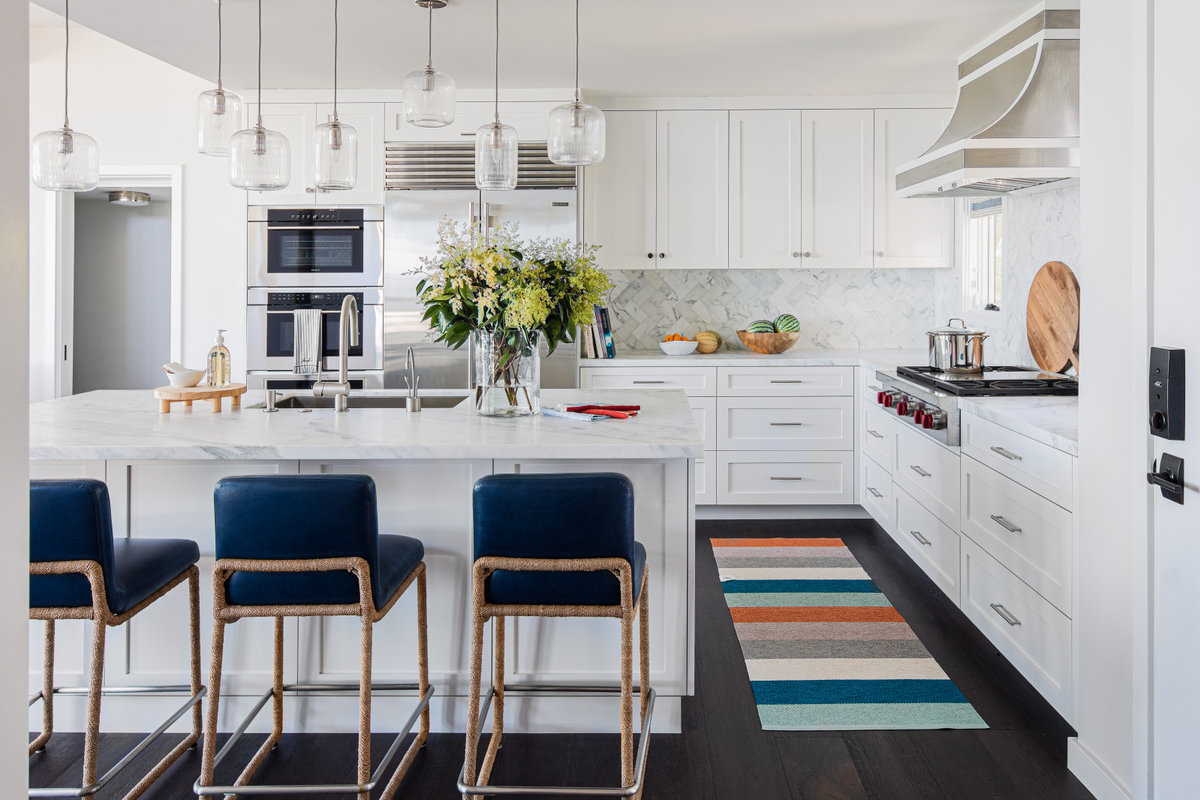
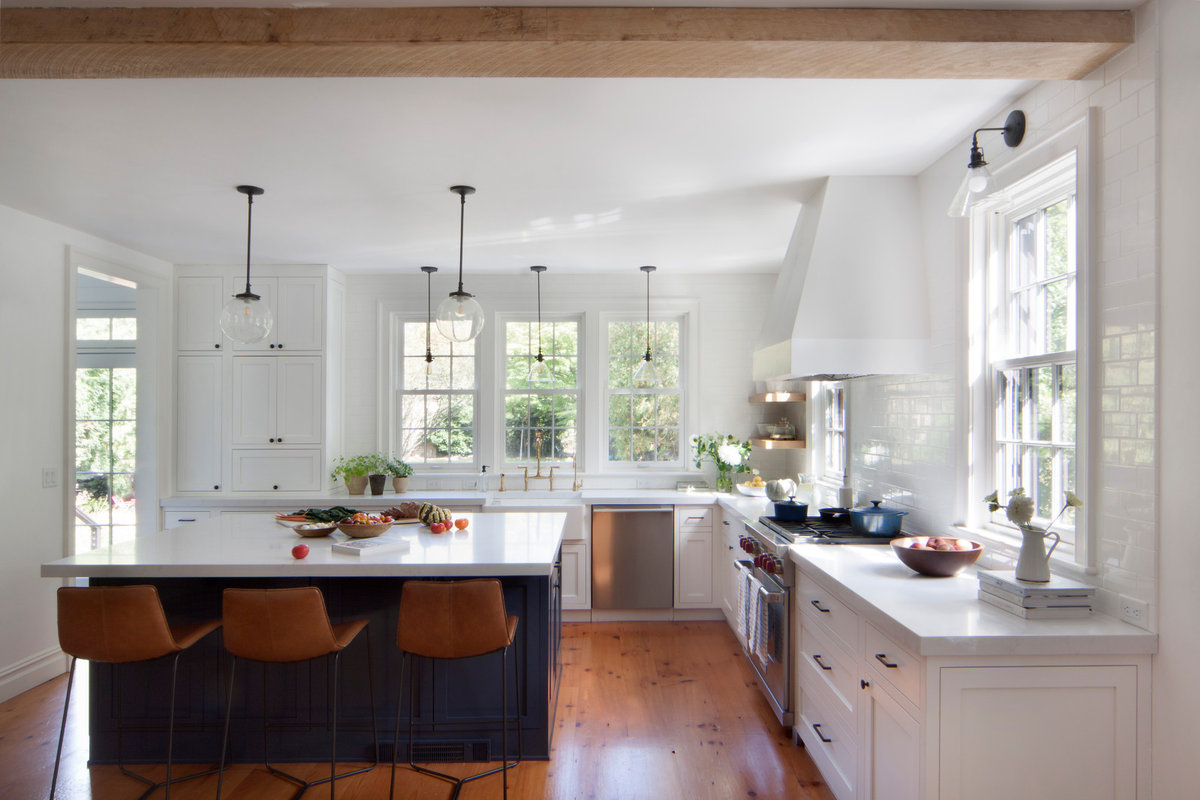
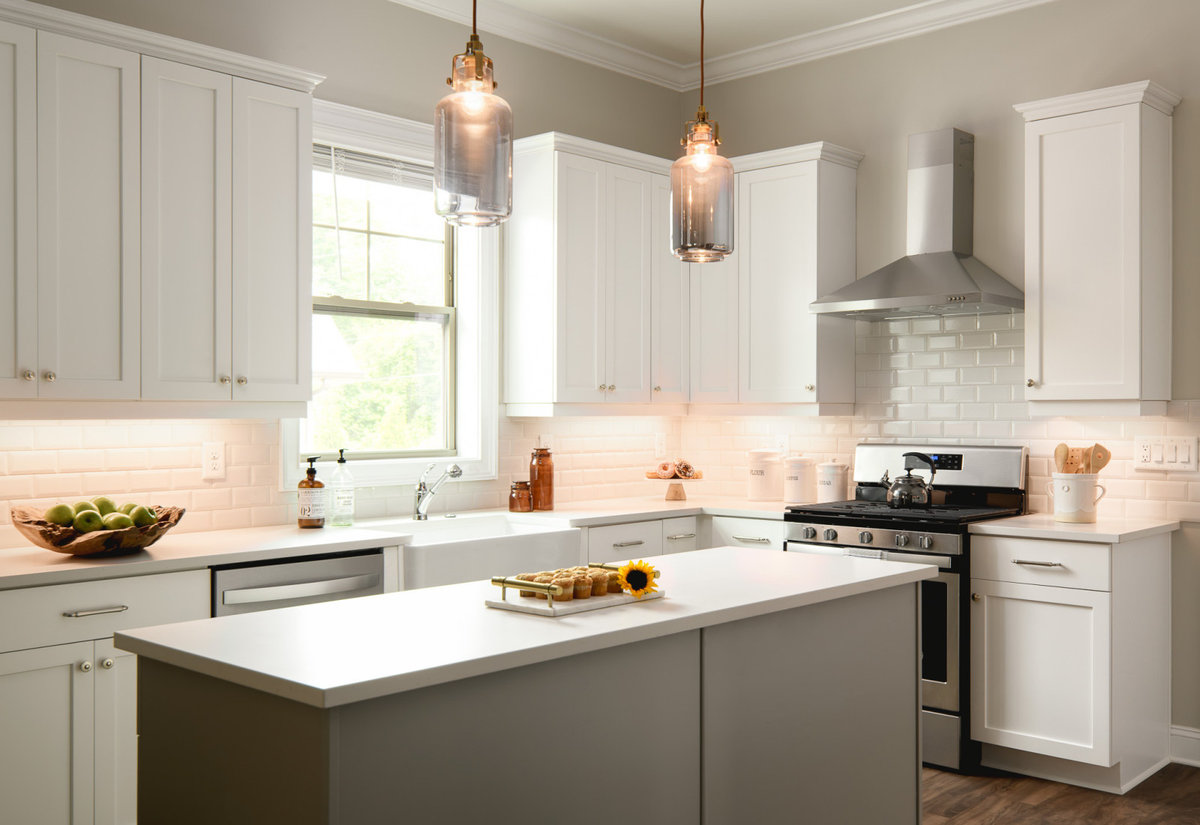
The 2023 study shows that homeowners want larger, multifunctional spaces with a focus on storage, wellness, and technology.
The National Kitchen & Bath Association (NKBA) has released its 2023 Design Trends research. The annual report provides insight into the styles, colors, product features, materials, and technology that will dominate kitchen and bath design over the next two to three years.
“Kitchens and baths are bigger and more involved,” says Tricia Zach, head of research at NKBA. “The study revealed that consumers want spaces to be multifunctional to meet their at-home work, education, and entertaining needs.”
Key findings of the report include:
Courtesy NKBA
In Kitchens
Homeowners are looking to open the look and feel of the kitchen while adding elements that hide clutter, maximize island function, and extend the space into the outdoors. According to the report, the top designs include large islands that function as dining tables (76%), taking down walls so the kitchen is open to other areas of the home (74%), a working pantry (72%), easy to clean flooring (70%), outdoor living areas (60%), and sanitary counter surfaces (60%).
Walk-in, built-in, and butler’s pantries are emerging as the top pantry types, as people are hoping to not only store food but also to have a dedicated working area for small appliances and to store pots, pans, and serving dishes.
Sustainability is also important to many homeowners, with 100% LED lighting, separate storage for recycling, and increased natural light via low-E windows and doors as the top three green features.
For styles, transitional (70%), contemporary (59%), modern (55%), organic/natural (51%), and farmhouse (47%) are the leaders, while greens, blues, whites, wood tones, and grays are the top-of-mind colors for kitchens.
“Whites will be a popular neutral with nature-inspired greens and blues for warmth and inspiration … hints of metallic add glamour or rustic feel,” says the report.
Due to the earthy, muted, and moody tones, designers will utilize bold colors for backsplashes (55%), artwork (45%), accent furniture (41%), paint (41%), wallpaper (40%), and fabric accents (40%).
In kitchen technology, homeowners are excited about smart controls via mobile devices or voice control, touchless faucets, integrated lighting, and smart appliances. The most prominent tech features include steam cooking/air frying tech integrated into ovens (73%), dedicated areas for mobile device, laptop charging, or viewing (73%), mobile app to control appliances (51%), and motion sensor faucets (50%).
For finishes, quartz and quartzite are top countertop selections, influenced by easy care and desire for a sanitary surface, while granite follows in third. Slab and long subway are the most popular backsplash patterns, due to the reduced amount of grout lines to maintain. Hardwood, engineered wood, luxury vinyl plank/tile, and ceramic tile remain the top kitchen flooring materials.
Lastly, single bowl kitchen sinks in stainless or composite rank No. 1 over workstation, apron/farm, and double bowl options. Dishwasher drawers and secondary dishwashers will become more prominent in the coming years, French door refrigerators remain supreme, and venting hoods will be a focal point with both wood and stainless steel as popular choices for materials.
Courtesy NKBA
In Bathrooms
Owners are creating a spa atmosphere that they can enjoy as they age in place. Top emerging trends are removing bathtubs to increase shower size (77%), removing walls to increase primary bathroom footprint (63%), and connecting to closet/dressing area (58%).
Sustainability trends also extend to the bathroom, with 100% LED lighting, electric radiant flooring, and EPA WaterSense faucets/shower heads/toilets, as top features.
Somewhat similar to kitchens, top bathroom styles include transitional (69%), contemporary (59%), organic/natural (59%), and modern (57%), while top of mind colors include blues, greens, whites, grays, and neutrals. Designers will utilize bold colors on vertical surfaces, vanities, and artwork to create contrast.
For bathroom technology, homeowners are excited about heated floors, temperature/moisture controls, voice/app controls, smart toilets/bidets, and smart mirrors. The top three most prominent are heated floor tech (69%), thermostat smart control for flooring/shower (67%), and humidity/venting detector that adjusts based on activity (55%).
In finishes, light colored quartz and quartzite are top countertop selections. Ceramic and porcelain tile with underfloor heating will be popular for flooring and large format tile and slabs will also be prevalent, due to fewer grout lines and maintenance.
Large two-person showers with open entrances rank No. 1 for shower options, over a swinging shower door, wet room, or sliding shower door. And for bathtubs, free standing and soaking tubs will be most prominent in primary bathrooms.
To learn more about the report and even more of its key findings, visit the NKBA website.
HM Group has partnered with Acorn finance to help you find affordable payment options in less than a minute. Compare personalized offers from lenders in our network, with no impact to your credit score. This is a great option for smaller projects including kitchens, bath, remodels , and additions.
Have a safe and Happy Holiday Weekend!
Just in time for the close of spring and summer’s arrival, Fixr.com has released the 2022 Outdoor Living Trends Report. Surveying 40 experts in home design, the trend report found that year-round use is a top priority for outdoor living (62%), as well as bringing the comfort of indoors outside (56%).
After the majority of the last two years has been spent at home, it’s no surprise that the pandemic is still impacting how homeowners are using their houses and outdoor spaces. An astounding 87% of experts say that the fallout of the pandemic is still making homeowners invest more in their outdoor living areas, a slight increase from last year’s 85%.
See below for five takeaways from the report.
1. Creating evergreen spaces remains important. As the largest priority for homeowners (62%), this may mean incorporating pavilions, patios, and gazebos as well as sources of warmth for cooler climates—think outdoor fireplaces and space heaters. Investing in features like these will extend the usage of the space all year long.
2. Dining al fresco is a must-have. Experts say that outdoor dining is highly desired for 2022 (62%) and that dining is one of the most popular ways exterior spaces are being used. A dining area can also double as an outdoor office for work or study and a meeting place for friends. To complement this idea of dining outside, outdoor kitchens also remain on trend with 41% of experts saying it’s still the biggest trend, a decrease from last year’s 60%.
3. Bringing the indoors out with comfortable furniture. Outdoor living spaces are a large trend this year (39%) with comfortable outdoor furniture being the most popular feature of these areas (69%). Oversized sectionals, patio chaises, coffee tables, and other accent furniture achieves this sense of the indoors outside. Cozy outdoor spaces are doubly enjoyed with a fire pit nearby as 67% think this accessory will be greatly sought after for a second year in a row.
4. Grills and barbecues are the most-needed outdoor kitchen feature. A mainstay of outdoor cooking, grills or barbecues are a necessary addition to outdoor kitchens, according to 97% of experts. Outdoor sinks followed as the second most popular feature (36%)—a great addition for outdoor hand-washing and post-meal cleanup.
5. Saltwater pools make a splash. More time at home over the last two years has created a desire for at-home relaxation. Saltwater pools have grown in popularity and rank this year as the most popular pool trend (56%). The less abrasive water and fewer chemicals add to the appeal. As a more budget-friendly investment, smaller pools and plunge pools follow, with 50% of experts saying they’re on trend.
Leah Draffen is an associate editor for Zonda’s Builder and Multifamily Executive magazines. She earned a B.A. in journalism and minors in business administration and sociology from Louisiana State University.
Fixr.com’s 2022 Outdoor Living Trends Report surveyed 40 top experts in the home design field.
While function and aesthetics remain at the forefront of importance for exterior products, manufacturers are increasingly prioritizing weather resistance and environmental performance. With frequent extreme weather events, homeowners require products that will make them feel safe and secure with little to no maintenance required. Manufacturers are also providing environmentally friendly options through solar shingle roofing tiles, low global warming potential insulation, and upcycled rice hull panels suitable for all exterior applications. Pergola options are expanding as homeowners continue to desire outdoor living areas, and decking manufacturers are offering deck-board cladding to provide options for homeowners willing to experiment with the exterior aesthetics of their homes.
James Hardie
James Hardie
The Hardie Architectural Collection offers a modern, integrated solution of five Hardie Architectural Panels in a variety of bespoke textures and 14 metal Hardie Architectural trims. The Hardie Architectural Panels are made with Hardie fiber cement technology, which delivers a low-maintenance, noncombustible, and weather-resilient product. The panels, James Hardie’s most significant expansion beyond wood-look exteriors, provide builders with improved installation efficiency compared with traditional building materials. jameshardie.com
Modern Mill
Modern Mill
ACRE from Modern Mill is a sustainable alternative building material made from upcycled rice hulls. The product offers the aesthetic appeal and warmth of wood without sacrificing performance or durability, according to the manufacturer. Modern Mill says ACRE, naturally resistant to shrinking and swelling common in most wood products, will not rot, crack, or splinter and resists pests, decay, and climate impact. ACRE products—sheets, trim boards, decking, siding, and millwork—can be stained, painted, or printed on and can be cut and milled without specialty tools. modern-mill.com
MoistureShield
MoistureShield
MoistureShield’s Vision and Meridian decking lines now are approved for use as cladding. MoistureShield Cladding offers a durable, low-maintenance finish that resembles rich and natural hardwoods. Featuring MoistureShield’s proprietary Solid Core manufacturing process, the cladding is protected against moisture absorption, warping, rotting, and damage from insects on all four sides. The cladding is available in nine color options, and features Vision DiamondDefense coating or TruTexture Surface finish options. moistureshield.com
DuPont
DuPont
DuPont Performance Building Solutions introduced a reduced global warming potential (GWP) and reduced embodied carbon formulation of Styrofoam Brand Extruded Polystyrene (XPS) Rigid Foam Insulation. The grey XPS foam’s closed-cell structure gives the product strong thermal performance and moisture resistance and enables it to retain a high, long-term R-value of R-5 per inch even after exposure to standing water and other damp conditions. The product is durable and easy to install, making it ideal for use with slab foundations and interior or exterior below-grade walls. dupont.com
LP Building Solutions
LP Building Solutions
LP NovaCore Thermal Insulated Sheathing is dual-layered and designed to protect structures against heat loss and gain. One inch of XPS foam and 7/16 inch of OSB are bonded together to create an insulated wall panel that is easy to install and can be handled, cut, and drilled like OSB, delivering an R-value of R-5 per inch of thickness. Specifying and installing LP NovaCore sheathing helps builders achieve LEED, Energy Star, and Green Building Standard certifications. The product can be installed vertically and horizontally, provided that all panel edges are properly supported. lpcorp.com
Trex
Trex
Trex Privacy, one of three additions to the Trex Pergola Collection, is a series of low-maintenance aluminum privacy wall panels offered in both permanent and moveable options in multiple patterns and powder coat color choices. Trex Shade is a collection of designer aluminum shade panels available in patterns and powder coat colors to match any outdoor structure. The Trex Pergola Retreat is a free-standing aluminum pergola featuring an open rafter design. trex.com
GAF Energy
GAF Energy
GAF Energy’s Timberline Solar is composed of shingles and protects and installs like a regular roof. The nailable solar shingles, named IBS’ 2022 Most Innovative Construction Tool, are water-shedding, strong, and warranted to withstand winds up to 130 mph. Timberline Solar has UL 7103 certification to serve as both solar panels and construction materials, due to the product’s composition of glass, polysilicon solar cells, and a top layer of proprietary fluorinated alkane ethylene fire-resistant, impact-resistant polymer. The shingles can stand up to hail and are less dense at the same thickness as a normal shingle. An average-sized 6-kilowatt array includes 130 solar shingles and takes up between 350 and 450 square feet on a roof. gaf.energy
Feeney
Feeney
Feeney’s 24-Volt Wet Location Strip Light is a versatile, linear light that provides high output lighting ideal for railing lighting. The LED strip features a flexible, weatherproof housing that resists the elements and dust. The strip integrates into the top or bottom rails and the energy-efficient LEDs are rated for up to 50,000 hours. An exclusive Feeney polycarbonate lens paired with high color rendering index LED diffuses light evenly and generates truer colors. Lighting strips attach using integrated VHB tape for easy installation. feeneyinc.com
Huber Engineered Woods
Huber Engineered Woods
ZIP System peel and stick underlayment from Huber Engineered Woods is a self-adhered waterproofing product that provides an additional layer of protection against water intrusion due to ice dams or wind-driven rain. The product is applied to roof sheathing before the finished roof covering is installed and can be used in valleys, eaves, transitions, or the entire roof. The slip-resistant product’s rubberized asphalt technology seals around roof covering nails. Featuring a pull cord, split-liner application, the underlayment offers a smooth installation with no fasteners required and covers up to 200 square feet per roll. The product meets requirements as an ice barrier and as a roof underlayment, according to Huber. huberwood.com
Evolve Stone
Evolve Stone
Evolve Stone Mortarless Series stone veneer, the 2022 IBS Best in Show and Most Innovative Building Material, can be face-nailed or installed using a standard finish nailer. Formulated from the company’s patented Evolve Material, Evolve Stone’s Mortarless Series can be cut to fit on-site and is moisture impermeable. The UV-resistant proprietary material, available in five designs and four colors, is not impacted when exposed to salt spray or freeze/thaw cycles and performs well under wind loading, according to Evolve Stone. evolvestone.com
More about GAF
Find products, contact information and articles about GAF
Vincent Salandro is an associate editor for Remodeling and ProSales. He also covers products for the Journal of Light Construction and has stories appearing in other Zonda publications, including Builder. He earned a B.A. in journalism and a B.S. in economics from American University.
The latest in exterior, housewrap, and structural products from James Hardie, LP Building Solutions, Huber Engineered Woods, and more.
Primary bathrooms are likely to increase in size over the next three years;
Larger showers – particularly two-person showers – will be very popular;
Double basins, mixing of materials for contrast, wellness showers and saunas are suggested options for those with large footprint bathrooms.
By Robert Isler
One of the themes in NKBA’s 2022 Design Trends release was the expected popularity of larger primary bathrooms over the next three years. In fact, more than three in four designers who responded to the survey predicted this size increase. One in three believe the bathroom footprint will grow by at least 25 percent. So how will these more substantial bathrooms look and what are their must-have features? Both the NKBA report and a recent story in Home and Gardens have provided answers.
The NKBA report explores creative ways to increase a bathroom’s size and the prominence of the features that are deemed most valuable. The focus of the Home and Gardens piece is on design ideas for bathrooms that are already oversized. The most popular trend identified in the NKBA study is a larger shower. This could take the form of a two-person shower for couples – with separate showerheads – or a redesign for living-in-place; complete with a bench seat, zero clearance entry and attractive grab bars. Hand-held and rain showerheads are among the most cited features likely to be part of this revamped shower.The tradeoff to secure the extra space involves removal of the bathtub. Other predicted forms of enlargement include the removal of adjacent walls to create a connected closet or dressing area, connecting the bathroom to laundry facilities, connecting to a workout area, or adding comfortable seating.
One in three designers predict primary bathrooms will increase in size by at least 25 percent over the next three years.
For those who already have ample bathroom space, the options are far greater, as detailed by Home and Gardens. Double bathroom basins are on that list, because they are both practical and indulgent, while creating symmetry for the overall look of the room. Two-person showers were also mentioned, with the recommendation that its minimum width be no less than 5 ½ feet. Since a larger space allows for experimentation, the mixing of styles, such as two flooring materials, was suggested to make the room more inviting.
Maximizing storage space is always a good idea. In a large bathroom it can be made to resemble living room or bedroom furniture, taking the bathroom to the next level. To really step it up, a wellness shower is always enticing. Included might be freefall or atomization jet showers in various positions from ceiling to both high and low on the wall for the benefit of shoulders and back down to legs and ankles. The picture can be completed with the addition of chromotherapy and music. For a bathroom that is particularly generous in size, the sauna option should also be considered. As described in the Home and Gardens article, “The combination of warm, dry air and the fragrance of the natural wood create a calming effect, said to also stimulate blood circulation and deep cleanse the skin.” Those are benefits most would be hard-pressed to turn down.
To find out the latest paint and color trends for 2022, Fixr.com surveyed 64 design experts about their recommendations on popular interior color palettes, the most popular wallpaper patterns, top colors for each room, and what is recommended for selling.
The trends report found an overwhelming embracement of warmer and earthier tones for any room in the house. And although neutrals remain strong, greens and nature-inspired hues and patterns are taking over the interior design outlook this year.
See below for seven takeaways from the report.
1. Warm neutrals and earthy tones are the top color palettes.
When experts were asked to choose which three interior palettes homeowners are choosing the most in 2022, they selected warm neutrals (66%), earthy tones (59%), and neutrals with pops of bold colors (52%) as the top three.
“These palettes are all indicative of the recent change in interiors over the last few years,” states Cristina Miguelez, author of the report’s summary. “Gray was the most popular shade for several years, but people have begun to slowly shift away, using warmer tones while still keeping things neutral.”
2. Natural green tones have also begun to grow in popularity.
As evidenced by many of the color of the year selections, shades of green are becoming very popular in many areas right now.
“Green is considered the color of growth, health, wealth, and well-being,” says Miguelez. “The color is also closely linked to the environment and a focus on being ‘green’ and eco-friendly in your home and lifestyle. Coupled with the obvious connection to nature, many homeowners may look to green as the fresh new shade to focus on this year.”
3. Sage green is the top choice for both living rooms and bedrooms.
Fifty-three percent of experts answered that they felt sage green would be the most popular color for living rooms, followed by cool off-white (48%) and cream (46%). Plus, sage green is also the popular choice for bedrooms, receiving 48% of the vote. Cream and taupe take second and third place, respectively, in this area with 38% and 30%.
4. Green and nature-inspired themes will be the most popular choices for wallpaper, too.
Wallpaper has begun trending upward in popularity over the last few years. Of the most popular patterns, 56% of design specialists chose nature-inspired and green papers as the most popular this year, which ties in well with the trend of natural, earthy tones and the various colors of the year.
5. The powder room is the most popular place to include wallpaper.
Experts say the most popular place to introduce wallpaper into your home will be the powder room. This space received an overwhelming 88% of the vote, with ceilings and dining rooms both receiving a distant second place with 28%.
“The powder room is the ideal place for wallpaper for several reasons,” says Miguelez. “This small bathroom is often considered a more formal space than other bathrooms. In some homes, it may be reserved for guests, and it often features décor that might be considered too formal or impractical for daily life.”
6. Black is the top color for front doors.
When it comes to the color of the front door, 56% of experts answered that they believe black would be a popular color, followed by 36% answering wood tones, and 22% answering royal blue.
“Black as a color works well with nearly every shade of home exteriors,” continues Miguelez. “It can add a pop of contrast to white homes and can add depth to homes of a wide range of other shades, including green, tan, blue, and red.”
7. White and off-white are the best colors for interiors and exteriors when selling a home.
Eighty-one percent of design experts believe that whites and creams are the best interior colors for selling a house in 2022. Warm neutrals like tan and beige received 36% of the vote this year, up slightly from 32% last year.
White is also the most frequently recommended color for painting the exterior of a home to sell. This year, white received 58% of the vote, while off-white increased from 25% last year to 41% this year.
Symone is an associate editor for Zonda’s BUILDER and Multifamily Executive magazines. She also has stories in other company publications, including ARCHITECT. She earned her B.S. in journalism and a minor in business communications from Towson University.
Fixr.com’s annual report asked 64 experts to give their opinion on the top paint and color trends for 2022.
With homes top of mind as people spend more time in them, homeowners remodeling their kitchens are transforming these spaces for the way we live now, according to new research from Houzz. That includes upgrading cabinetry to create the right storage. Homeowners also are less likely to turn their kitchens into open-concept spaces (where the kitchen is open to other spaces). And they’re seeking a connection in their renovated kitchens to the outdoors.
Read on for more details on these and other kitchen remodeling trends in our recap of the 2021 U.S. Houzz Kitchen Trends Study.
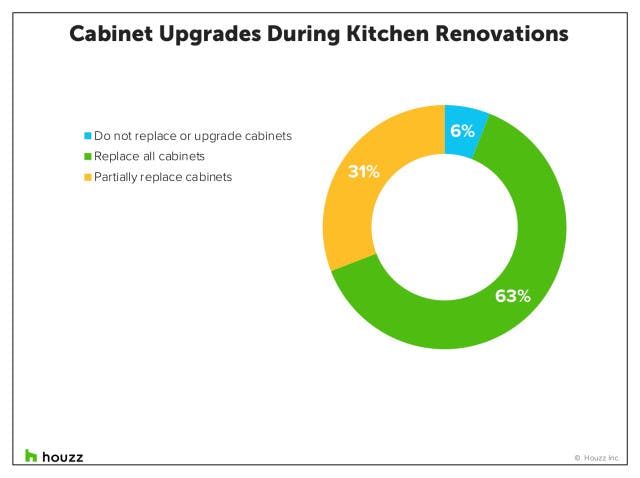
Nearly all homeowners (94%) renovating their kitchens improve the cabinetry in some way, according to the report. Most (63%) are replacing the cabinets entirely, while 1 in 3 opts for a partial cabinet upgrade.
“Storage has really come into focus as people have spent more time at home during the pandemic,” says Liza Hausman, vice president of Industry Marketing at Houzz. “We’re seeing an increase in the amount of cabinetry added in renovations. And more homeowners are reaching out to professionals on Houzz for help making their kitchens work better, most often within the same layout and square footage.”
Of the 31% of renovating homeowners choosing partial cabinet upgrades, 28% add at least some new cabinetry to the renovated kitchen — nearly four times as many as in the previous year. Others opting to partially upgrade their cabinets are refinishing the exteriors or replacing doors only.
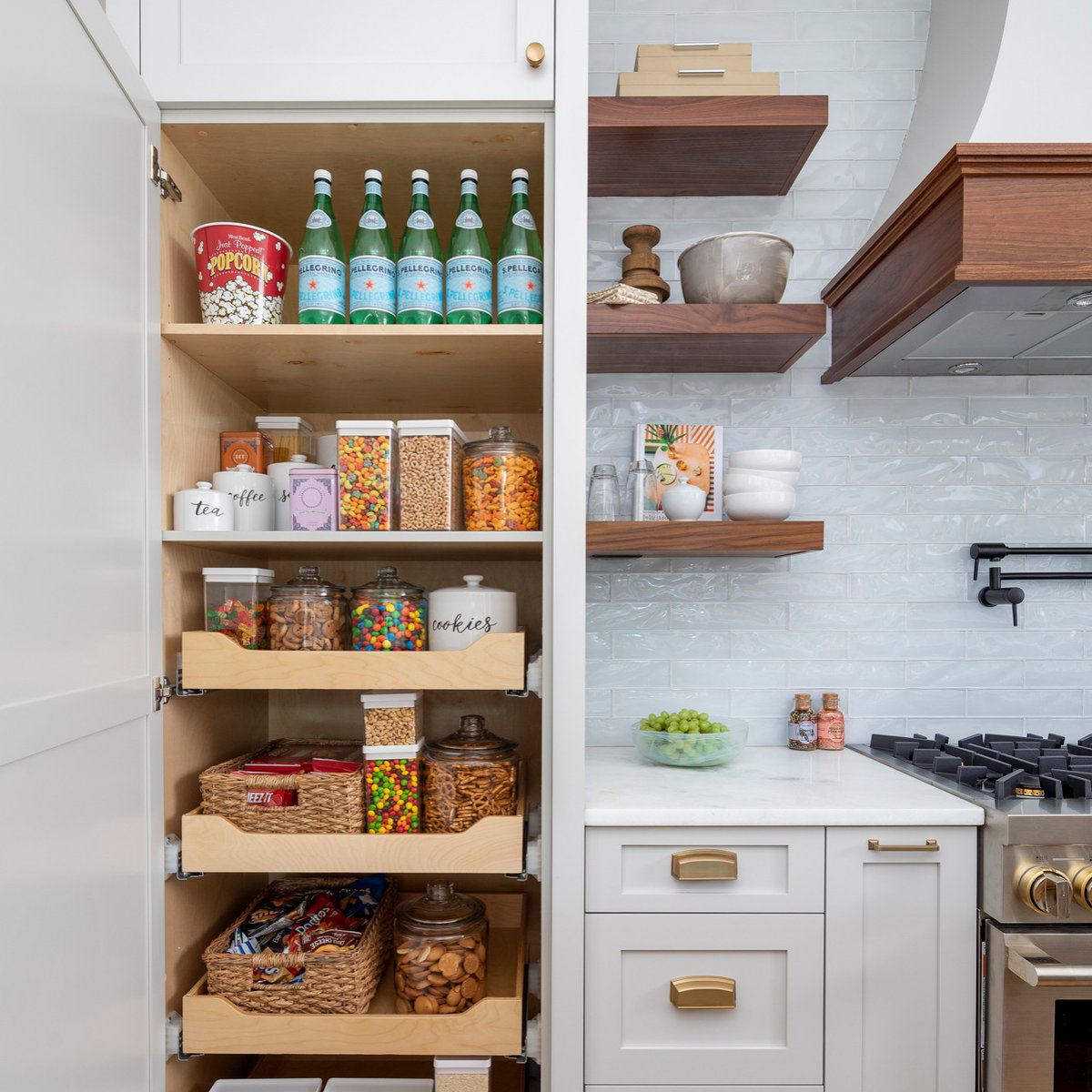
The share of renovating homeowners adding or upgrading a pantry space also increased, with 46% upgrading their pantry cabinets, up 3 percentage points from the prior year. The share of renovating homeowners adding a walk-in pantry grew to 13%, up from 10% the year before.
Open-Concept Kitchens Lose Appeal — Except When They Open to the Outdoors
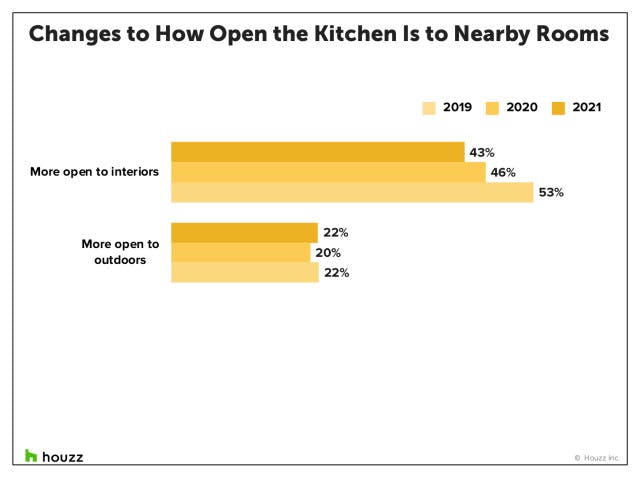
The share of renovating homeowners opening their kitchens to create open-concept floor plans (43%) dropped significantly this year compared with two years ago (53%). (An open-concept kitchen is open to other spaces.) Many people have experienced the downsides of this setup while they’ve been home during the pandemic, often with two partners working at home as kids attend virtual school from home.
While a smaller share of remodeling homeowners want their kitchens to be open to other indoor spaces, more than 1 in 5 are choosing to open their kitchens to the outdoors. That’s consistent with a steady trend we’ve seen on Houzz of increased demand for outdoor home professionals.
Renovating homeowners are continuing to seek out neutral tones for their remodeled spaces. The top colors for upgraded cabinets in renovated kitchens are white (41%), medium wood tones (13%) and gray (10%). Neutrals are also trending for kitchen walls, with gray (28%), white (26%) and beige (21%) the top picks.
Still, some homeowners are introducing more colorful alternatives to their kitchen walls, like blue (7%) or green (4%). Some are bringing color in through backsplashes or appliances. White may be the top backsplash color pick (37%), but nearly 1 in 5 of those upgrading their backsplashes chooses a multicolored option. And 1 in 10 upgrading appliances chooses black stainless steel, while another 6% are selecting black appliances in another material.
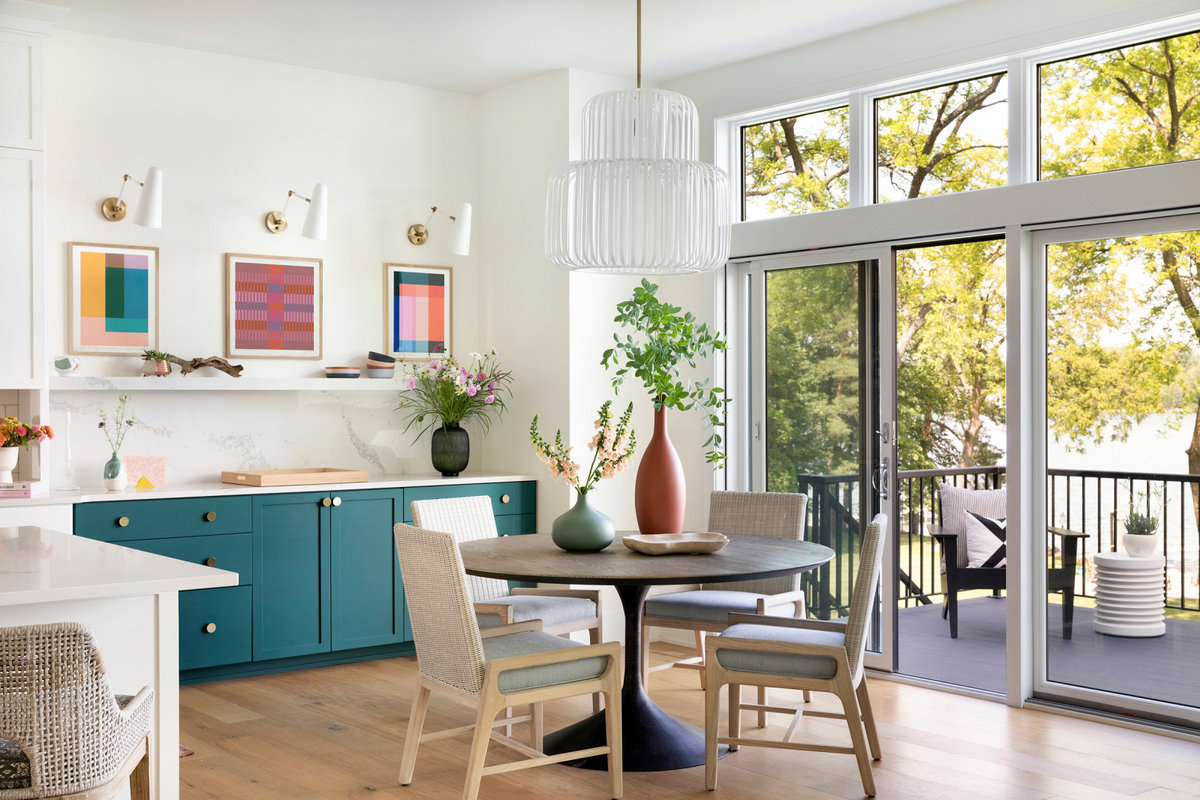
While neutrals are popular for wall cabinetry, many renovating homeowners (41%) are choosing contrasting colors for their kitchen island cabinets. Blue (27%) and gray (20%) are the top contrasting color picks among those who choose a contrasting island color, whereas just 13% are choosing these colors for their main cabinetry.
Median Spend Is Flat as Remodeling Scope Decreases
A large share of renovating homeowners are upgrading major kitchen features like countertops (88%), backsplashes (83%) and sinks (80%) during their kitchen remodels. That said, for the third year in a row, homeowners are scaling back project scope. For instance, a smaller share of homeowners are upgrading their light fixtures (74%) and appliances (51%) compared with the previous year (79% and 56%, respectively).
Meanwhile, the median spend on major kitchen remodels — those in which all the cabinets and appliances are replaced — completed in mid-2020 stayed steady from the previous year at $35,000. This number reflects all project types, both with and without professional help.
The median refers to the midpoint spending level nationally, self-reported by homeowners. Because it is the midpoint, it indicates that half of renovating homeowners spent more, while half spent less.
The 2021 U.S. Houzz Kitchen Trends Study gathered information from 2,014 Houzz users who reported that they were homeowners age 18 or older who had completed a kitchen remodel or addition in the past 12 months, were currently working on one or were planning to start one in the next three months. The survey was fielded in June and July 2020.
The American Institute of Architect’s latest Home Design Trends Survey of its professional members shows the powerful impact the pandemic continues to have on our living spaces, compounded by other natural disasters. Released September 22, this quarterly study showed a sharp uptick in demand for outdoor improvements, multiple home offices, exercise spaces, and safety features like backup generators and hurricane-resistant design.
“Outdoor living space and home offices have been popular for years,” noted AIA’s chief economist Kermit Baker, “but the dramatic increase in demand for them, along with multiple laundry facilities and patio heaters indicate homeowners are staying home more and want to be prepared in the event of another shutdown.”
He also noted that rapidly-increasing demand for generators, insulation and other features that allow livability during a catastrophic event like a hurricane signal homeowners’ concern for staying safe and healthy during likely future events of these types. These ‘once in a century’ storms are imperiling life far more than every 100 years and homeowners are worried.
Outdoor Living Spaces
This was a top trend in the survey, with demand for outdoor spaces increasing from 61% to 70% among respondents compared to last year. Reduced travel has made making your own outdoors ‘greater’ an appealing project, while also freeing up vacation dollars for home improvement.
Multiple Home Offices
Working from home has also been a long-time popular trend, as Baker noted, but was once accomplished with a single dedicated or shared space. With two adults telecommuting and Zoom-ing this past year, the need for an additional home office capacity has become evident. Demand in the AIA survey more than doubled, from 24% in 2020 to 48% this year. Those spaces are being used not just for traditional laptop work, but as “Zoom rooms” and other virtual meeting spaces. These often require good light, uncluttered space and quiet to optimize the experience.
Exercise and Yoga Rooms
Even though many gyms and studios have reopened this year, the demand for home-based fitness and yoga spaces has jumped from 23 to 39%, the AIA reports. It’s likely that last year’s burst of Peloton purchases have something to do with this trend, but also that many health-conscious adults are still wary of exposing themselves to viruses in the close quarters often prevalent in commercial spaces.
Disaster Planning
Homeowners are looking for ways to ensure their safety, health and functionality despite the disruptions of natural disasters. That includes adding backup power generation (60% demand in 2021 vs. 46% last year) and a related 17% increase in solar panels to help power them. This is especially key for those who work from home being able to handle power outages, and for those with medical equipment requiring power. With many seniors moving out of nursing homes in the early months of COVID, this becomes another health and safety imperative.
Increased Home Improvement Demand
Remodeling and additions are both trending strongly, the AIA reports, as people seek to improve the spaces they’ve been eyeballing between their four walls for more than a year. So is the trend toward improving second homes, which went from negative two percent last year – when everyone was locked down – to 35% this year; Americans are enjoying the freedom of moving around more, but are still doing so in as safe a way as possible, vacationing at their own properties.
It’s conceivable — perhaps even likely — that building code changes to address ventilation issues and reducing energy use are going to show up on these AIA surveys in the next few years, as are homeowners’ continuing desire to stay safe and healthy in their homes.
I’m a Wellness Design Consultant and Mayo Clinic Certified Wellness Coach with 17 years in the building, home design and remodeling sphere. Simon & Schuster/Tiller Press published my third book, Wellness by Design, on September 1, 2020.
In addition to writing, I speak on wellness design topics for regional meetings and national conferences, and consult for design industry firms and analysts.
I’m currently hosting twice-monthly Wellness Wednesday rooms on Clubhouse, the first and third week of the month at 4 PM Eastern/1 PM Pacific. You can check the current schedule here.
My two previous books, New Kitchen Ideas That Work and the New Bathroom Idea Book, (both Taunton Press), are available on my website at jamiegold.net.
The American Institute of Architect’s latest quarterly survey of its members shows the powerful impact the pandemic continues to have on residential design trends.
The industry’s newest windows and doors are highly attuned to the most popular design aesthetics—including dark interior frames, thin sightlines, and configurations that adapt to traditional and modern settings alike. Below are a few examples of the windows, doors, and hardware available to complete today’s home design schemes.
Weather Shield has redesigned the multi-slide door systems available in its Contemporary Collection and Premium Series of aluminum-clad wood windows and patio doors. The doors are equipped with strong connections, the manufacturer says, with side jambs that connect to the sills with an interlocking dovetail joint and to the head jambs with a click-together system. The thermally efficient, pultruded fiberglass frames create an Energy Star and Title 24 compliant system with a U-value of 0.30. All door systems are available in sizes up to 57 feet and 6 inches wide, with options for two panel variations. weathershield.com
Level Home has partnered with Rocky Mountain Hardware to integrate its Level Bolt invisible smart lock into select collections, including Edge, Metro, Mack, and Ellis. The Level Bolt uses a six-stage stainless steel gearbox designed to withstand tough conditions, and operates on a single CR2 battery for a full year. The bolt is compatible with iOS, Android, and Amazon, as well as Ring and Apple HomeKit, and friends and family can use either a phone or standard keys to operate the lock. rockymountainhardware.com
The newest editions of Marvin’s Ultimate Swinging Door and Ultimate Swinging French Door feature more expansive glass than previous editions, allowing for more light and views. The doors feature extruded aluminum exteriors and warm wood interiors, available in heights of up to 10 feet in four-panel configurations and widths of up to 14 feet, with a standard panel thickness of 2 1/4 inches. All feature Marvin’s concealed lock status sensor, which relays the door’s lock status to smart devices. marvin.com
In response to recent interior design and remodeling trends, Cornerstone Building Brands has added a new black interior option to the DaylightMax window series. The slim-frame windows are designed to provide greater fluidity between indoor and outdoor spaces, according to the manufacturer. Available styles include single-hung, single slider, picture, casement, awning, half-round, eyebrow, quarter-round, and geometric shapes, with a choice of cam locks, AutoSense locks, crank handles, or patio door handles. simonton.com
The SuiteSlide system is an ADA-compliant single-source sliding barn door assembly designed for use in projects with repeating units. The doors feature a concealed sill guide and flush pull hardware, as well as an optional jamb mounted privacy lock. The standard soft-close dampening system prevents slamming, while the custom frame extrusion features dual soft gasket seals that compress to ensure the frame is plumb. Designers can select from a variety of veneers, wood species, and infill options. specadsystems.com
The Westchester Double Hung window series combines a traditional double-hung aesthetic with high-performance thermal construction. It offers a performance rating of PG50 on most standard sizes, and delivers a U-value of 0.28 when fitted with dual-insulated low-E 366 and argon glass, or a U-value of 0.17 with triple-insulated glass. All windows feature a thermally broken sash construction, integral aluminum nail fin, multipoint tilt latch, and a patent-pending, traditional-style combination sash lock. sierrapacificwindows.com
ODL has expanded its Blink Blinds + Glass series of blinds-between-glass with a smaller 7/8-inch size. This slimmer option is available for patio doors up to 18 square feet, as well as windows up to 12 square feet with a 7/8-inch IG pocket. Because the blinds are enclosed, they will not bend or tangle, do not need to be dusted, and do not have dangling cords, according to the manufacturer. The blinds require minimal maintenance, and the design eliminates light gaps, shadows, and sunlight glare. The product, available with matching components in six colors, is offered in tempered, annealed, or clear glass with eight low-E and four Neat coating options. odl.com
Clopay has added new customization options and updates to its Craftsman Collection fiberglass entry doors, including taller heights, a quarter-view sidelite, and simulated divided light grille options. As a base style, the Craftsman Collection doors feature a fir grain surface finish, low-profile lite rims, and external SDL grilles that may be used with clear or frosted glass. According to the manufacturer, it is compatible with a variety of traditional and transitional home styles. Previously only available in one size—6 feet, 8 inches—the door is now available in 7- and 8-foot heights, as well as two widths—3 feet or 2 feet, 10 inches. Doors may be factory-finished in a choice of 18 paint colors or eight stains. clopaydoor.com